
letswandertz

Is a Private Safari Worth It? The Hidden Mechanics of Tanzania Private Tours

Planning a trip to East Africa often starts with a single, overwhelming question: Should you join a scheduled group departure or invest in a private tour? On paper, a group tour looks enticingly budget-friendly. But a safari isn’t a standard beach vacation or a European city crawl. It is a complex logistical operation deployed in one of the most unpredictable environments on earth. When you look past the glossy brochures, the success of your journey hinges entirely on a single factor: control.To understand if Tanzania private tours are truly worth the investment, we have to look behind the curtain at the raw mechanics of how a safari actually operates on the ground in the Northern Circuit. The Vehicle Dynamic: Why Sharing a 4×4 Changes the Whole Game The most critical asset of any safari is the 4×4 Land Cruiser. It is your mobile vantage point, your photography studio, and your home for eight hours a day. In a shared group tour, that space is compromised from day one. The Battle for the Window Seat A standard safari vehicle accommodates up to six or seven guests, meaning every row is filled. If you are sharing a vehicle with strangers, someone is always stuck in the middle seat, looking over another person’s shoulder or camera lens to see a pride of lions. On a private safari, even if you are just a couple, the entire vehicle belongs to you. Every seat is a window seat, giving you unhindered, 360^\circ views of the action. Camera Gear, Luggage, and Personal Space Wildlife photography requires patience and room. Telephoto lenses, camera bags, and beanbags take up physical space. On custom private safaris, you have the room to spread out your gear, change lenses without hitting an elbow, and track a leopard moving through the brush without negotiating positioning with five other people. Strategic Flexibility vs. Rigid Itineraries Wildlife does not operate on a human timetable. The Great Migration doesn’t check a watch, and a hunting cheetah won’t wait for a tour bus schedule. This is where the core value of custom safari planning shifts from a luxury to an absolute necessity. The Luxury of Staying Put Imagine you are in the Central Serengeti, and you locate a pride of lions actively stalking a herd of zebras. The tension is building. On a group tour, if three other passengers are hungry, tired, or simply disinterested, the guide is obligated to start the engine and head to the lodge. On a private tour, you dictate the clock. If you want to sit in silence for three hours to witness the hunt unfold, your guide keeps the engine off. You are the commander of the itinerary. Beating the Crowds at the Crater Rim The Ngorongoro Crater is one of the most spectacular places on earth, but it can get busy. Group tours typically descend into the crater at the same time mid-morning. With a private guide, you can choose to pack a breakfast box, descend the moment the gates open at 06:00 AM, and experience the crater floor in pristine solitude before the mass armada of tour vehicles arrives. The Driver-Guide Relationship: Your Local Tactical Expert Your guide is the single most important factor in your safari experience. They are your translator, tracker, and safety officer. Tailoring the Dialogue to Your Interests In a shared vehicle, a guide must cater to the lowest common denominator. If one passenger only cares about birds and you only care about predators, the guide must split the difference. On a private tour, the dialogue is completely curated. If you are traveling as a family, your guide acts as an educator, engaging your children with junior tracking skills. If you are on a romantic honeymoon, they know when to provide quiet space. The Value of Local Instincts A truly elite guide doesn’t just drive; they read the bush like a book. They listen to the alarm calls of baboons and scan the dirt for fresh pugmarks. Because our roots are firmly planted here in Tanzania, our private guides aren’t bound by corporate mileage limits. They have the freedom to navigate deep into the wilderness to find exclusive, untamed sightings. Decoding the True Cost: Is It Financially Viable? Let’s address the elephant in the room: pricing. Tanzania safari costs can seem steep at first glance when comparing private options to massive group departures. However, when you break down the mathematical reality, the gap is often much smaller than you think especially for couples and families. Most Budget camping trip start from $190 per person per day in a shared group of 6, Most private safaris start from $240 per person per day. The Verdict: When Should You Go Private? A private safari is not just about luxury; it is about protecting your investment. You are flying across the world to witness one of the last remaining great wildernesses. Tanzania is a land of raw, unedited nature. Don’t experience it through a crowded window or on someone else’s schedule. Ready to Blueprint Your Wilderness Escape? Every extraordinary journey begins with a single tactical decision. At Let’s Wander Tanzania, we don’t build cookie-cutter vacations; we apply precision planning to craft seamless, authentic private safaris tailored entirely to your rhythm. Design Your Private Tanzania Itinerary with an Expert Today

Is a Private Safari Worth It? The Hidden Mechanics of Tanzania Private Tours Read More »
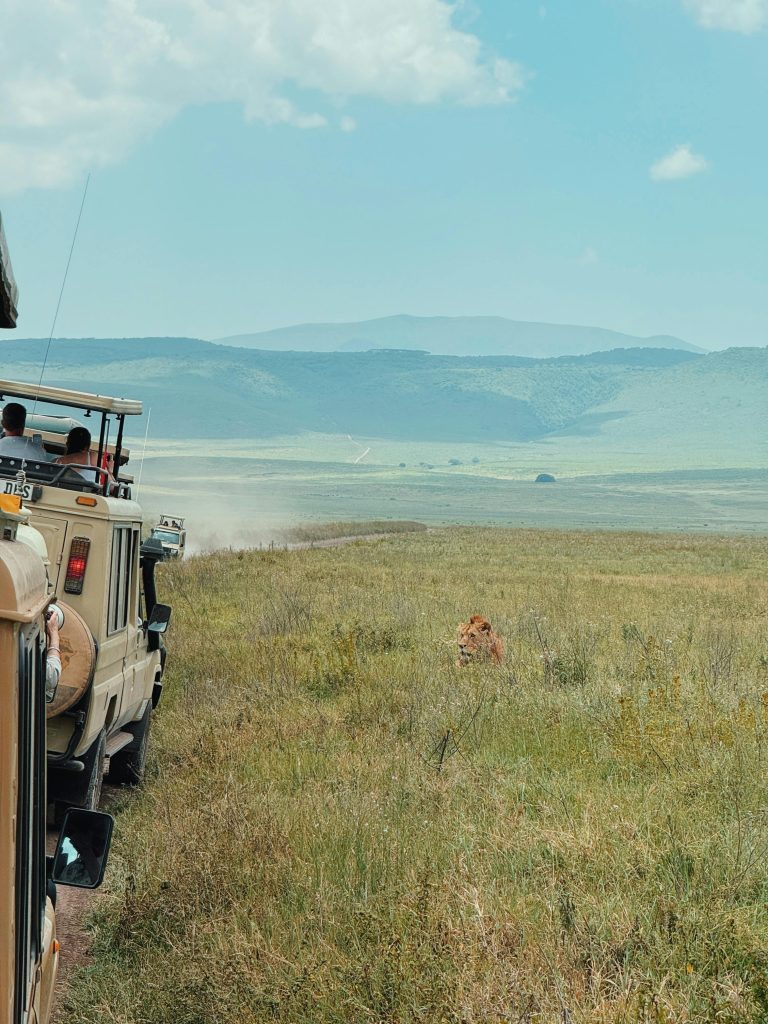
Tourists on safari in African savanna spotting a lion in the wild.

Is a Private Safari Worth It? The Hidden Mechanics of Tanzania Private Tours

Planning a trip to East Africa often starts with a single, overwhelming question: Should you join a scheduled group departure or invest in a private tour? On paper, a group tour looks enticingly budget-friendly. But a safari isn’t a standard beach vacation or a European city crawl. It is a complex logistical operation deployed in one of the most unpredictable environments on earth. When you look past the glossy brochures, the success of your journey hinges entirely on a single factor: control.To understand if Tanzania private tours are truly worth the investment, we have to look behind the curtain at the raw mechanics of how a safari actually operates on the ground in the Northern Circuit. The Vehicle Dynamic: Why Sharing a 4×4 Changes the Whole Game The most critical asset of any safari is the 4×4 Land Cruiser. It is your mobile vantage point, your photography studio, and your home for eight hours a day. In a shared group tour, that space is compromised from day one. The Battle for the Window Seat A standard safari vehicle accommodates up to six or seven guests, meaning every row is filled. If you are sharing a vehicle with strangers, someone is always stuck in the middle seat, looking over another person’s shoulder or camera lens to see a pride of lions. On a private safari, even if you are just a couple, the entire vehicle belongs to you. Every seat is a window seat, giving you unhindered, 360^\circ views of the action. Camera Gear, Luggage, and Personal Space Wildlife photography requires patience and room. Telephoto lenses, camera bags, and beanbags take up physical space. On custom private safaris, you have the room to spread out your gear, change lenses without hitting an elbow, and track a leopard moving through the brush without negotiating positioning with five other people. Strategic Flexibility vs. Rigid Itineraries Wildlife does not operate on a human timetable. The Great Migration doesn’t check a watch, and a hunting cheetah won’t wait for a tour bus schedule. This is where the core value of custom safari planning shifts from a luxury to an absolute necessity. The Luxury of Staying Put Imagine you are in the Central Serengeti, and you locate a pride of lions actively stalking a herd of zebras. The tension is building. On a group tour, if three other passengers are hungry, tired, or simply disinterested, the guide is obligated to start the engine and head to the lodge. On a private tour, you dictate the clock. If you want to sit in silence for three hours to witness the hunt unfold, your guide keeps the engine off. You are the commander of the itinerary. Beating the Crowds at the Crater Rim The Ngorongoro Crater is one of the most spectacular places on earth, but it can get busy. Group tours typically descend into the crater at the same time mid-morning. With a private guide, you can choose to pack a breakfast box, descend the moment the gates open at 06:00 AM, and experience the crater floor in pristine solitude before the mass armada of tour vehicles arrives. The Driver-Guide Relationship: Your Local Tactical Expert Your guide is the single most important factor in your safari experience. They are your translator, tracker, and safety officer. Tailoring the Dialogue to Your Interests In a shared vehicle, a guide must cater to the lowest common denominator. If one passenger only cares about birds and you only care about predators, the guide must split the difference. On a private tour, the dialogue is completely curated. If you are traveling as a family, your guide acts as an educator, engaging your children with junior tracking skills. If you are on a romantic honeymoon, they know when to provide quiet space. The Value of Local Instincts A truly elite guide doesn’t just drive; they read the bush like a book. They listen to the alarm calls of baboons and scan the dirt for fresh pugmarks. Because our roots are firmly planted here in Tanzania, our private guides aren’t bound by corporate mileage limits. They have the freedom to navigate deep into the wilderness to find exclusive, untamed sightings. Decoding the True Cost: Is It Financially Viable? Let’s address the elephant in the room: pricing. Tanzania safari costs can seem steep at first glance when comparing private options to massive group departures. However, when you break down the mathematical reality, the gap is often much smaller than you think especially for couples and families. Most Budget camping trip start from $190 per person per day in a shared group of 6, Most private safaris start from $240 per person per day. The Verdict: When Should You Go Private? A private safari is not just about luxury; it is about protecting your investment. You are flying across the world to witness one of the last remaining great wildernesses. Tanzania is a land of raw, unedited nature. Don’t experience it through a crowded window or on someone else’s schedule. Ready to Blueprint Your Wilderness Escape? Every extraordinary journey begins with a single tactical decision. At Let’s Wander Tanzania, we don’t build cookie-cutter vacations; we apply precision planning to craft seamless, authentic private safaris tailored entirely to your rhythm. Design Your Private Tanzania Itinerary with an Expert Today

Is a Private Safari Worth It? The Hidden Mechanics of Tanzania Private Tours Read More »

Is a Hot Air Balloon Safari in the Serengeti Worth It? My Honest Take + Tips

Floating Above the Greatest Wildlife Show on Earth Imagine this: It’s 5 a.m., still dark, and you’re bundled in a jacket sipping hot coffee while the stars are fading. A massive hot air balloon lies on its side in the grass, slowly puffing up as the burner roars. The Serengeti stretches out flat and endless around you. Then, gently, almost without noticing, the basket lifts off. No engine noise, no bumpy road just silence and the soft whoosh of flame every now and then. Below, the plains wake up. A herd of elephants ambles toward a watering hole. Lions stretch in the first light. Wildebeest dot the horizon like moving shadows. You’re floating right over it all. What Exactly Is a Balloon Safari in the Serengeti? It’s a hot air balloon ride over Serengeti National Park in Tanzania. You drift for about an hour at sunrise, getting a bird’s-eye view of the wildlife and landscape that you can’t get from a jeep. The pilots are pros they adjust height to skim treetops one minute, then climb higher for sweeping panoramas the next. Most operators like Nyssa balloon safari launch from spots depending on the season They try to match the launch site to where the animals are thickest that time of year. Weather has the final say though if it’s too windy or rainy, they cancel or reschedule. Safety first. How Much Does a Serengeti Balloon Safari Cost in 2026? Right now, expect to pay around US$599 per person for the full experience, if you go through a partnership local tour company there is less to pay that that. That usually covers Best Time to Book Your Hot Air Balloon Serengeti Adventure The Serengeti has two main seasons that affect ballooning. Dry season (June–October)  This is peak time for a reason. Clear skies, calm mornings, and the Great Migration in full drama mode. July–September is epic if you’re in the north watching wildebeest cross the Mara River from above is unreal. Fewer weather cancellations too. Green season (December–March) Fewer crowds, lush green plains, and baby animals everywhere (wildebeest calving in the south). It’s quieter in the balloon basket, and the landscape feels softer and more intimate. Weather can be iffy with short rains, but many say it’s their favorite for that peaceful vibe. Year-round flights happen, but book early spots fill up fast, especially in peak months. Aim to schedule it early or mid-trip so if weather cancels it, you can try again later. What a Typical Day Looks Like Is It Worth It? Real Talk Look, almost $500 is a lot for an hour in the air. But ask anyone who’s done it: almost everyone says yes. It’s peaceful, magical, and gives you a perspective no ground safari can match. You see how vast the Serengeti really is plains that go forever, animals moving like rivers across them. If your budget allows, do it. If you’re on the fence, prioritize it over something else. It’s a memory that sticks. Planning your trip? Pair it with a few days in the Serengeti for game drives, then maybe Ngorongoro or Zanzibar after. We have the best rates ,and also work with the best provider for this activity the  nyssa balloon

Is a Hot Air Balloon Safari in the Serengeti Worth It? My Honest Take + Tips Read More »

Circling the Summit – Kilimanjaro’s Northern Circuit Adventure route

The Northern Circuit is Kilimanjaro’s longest route, circling the mountain’s northern slopes for optimal acclimatization and seclusion. Spanning 8-9 days, it boasts the highest success rate at over 95%, traversing nearly all climate zones with fewer crowds. Ideal for those prioritizing immersion and gradual ascent. Day-by-Day Itinerary Northern circuit route Day 1: Arrival and Trek to Mti Mkubwa Camp From Arusha, head to Londorossi Gate at 2,250 meters. Trek 6 kilometers through forest in 3-4 hours to Mti Mkubwa Camp at 2,800 meters, spotting unique flora and fauna Day 2: Mti Mkubwa to Shira 1 Camp Ascend 8 kilometers in 5-6 hours to Shira 1 at 3,500 meters, entering moorland with views across the plateau. Day 3: Shira 1 to Shira 2 Camp A short 4-kilometer hike in 3-4 hours to Shira 2 at 3,850 meters, allowing time for exploration and acclimatization Day 4: Shira 2 to Moir Hut Traverse 8 kilometers in 5-7 hours, passing Lava Tower optionally, to Moir Hut at 4,200 meters in a secluded valley Day 5: Moir Hut to Buffalo Camp Head north for 8 kilometers in 5-7 hours to Buffalo Camp at 4,020 meters, enjoying vast wilderness and potential wildlife sightings. Day 6: Buffalo Camp to Third Cave Camp Continue circling for 8 kilometers in 4-6 hours to Third Cave at 3,870 meters, with gentle undulations aiding adaptation. Day 7: Third Cave to School Hut Ascend 5 kilometers in 4-5 hours to School Hut at 4,800 meters, preparing for the summit with early rest. Day 8: Summit Day – School Hut to Uhuru Peak and Descent to Mweka Camp Early start for 15 kilometers total: summit at 5,895 meters, then down to Mweka Camp at 3,100 meters in 10-14 hours Day 9: Mweka Camp to Mweka Gate Descend 10 kilometers in 3-4 hours to the gate, concluding your epic loop. The Northern Circuit’s extended journey ensures you’re well-prepared for the top. Focus on pacing, and savor the solitude of this less-traveled path. Pricing Northern circuit route

Circling the Summit – Kilimanjaro’s Northern Circuit Adventure route Read More »

Exploring the Whiskey Route – A Journey on Kilimanjaro’s Machame Path

The Machame Route, often dubbed the “Whiskey Route” for its challenging yet rewarding terrain, is one of the most popular paths to the summit of Mount Kilimanjaro. This scenic trail offers diverse landscapes, from lush rainforests to alpine deserts, and typically takes 6 to 7 days to complete on the mountain, allowing better acclimatization compared to shorter routes. With a success rate around 85% for the 7-day version, it’s ideal for adventurers seeking stunning views and a moderate challenge. If you’re physically fit and ready for steep climbs, this route promises an unforgettable experience. Day-by-Day Itinerary Machame route Day 1: Arrival and Trek to Machame Camp After arriving in Arusha or Moshi, you’ll transfer to Machame Gate at about 1,800 meters. Registration complete, the hike begins through dense rainforest teeming with colobus monkeys and exotic birds. The trail is muddy and steep in places, ascending about 1,200 meters over 11 kilometers in 5-7 hours to Machame Camp at 3,000 meters. Settle in for your first night under the stars, enjoying hot meals prepared by your crew. Day 2: Machame Camp to Shira Camp Rise early for breakfast, then climb out of the forest into heather moorland. The path steepens, offering first glimpses of Kibo Peak. Covering 5 kilometers in 5-6 hours, you’ll gain elevation to Shira Camp at 3,840 meters. The afternoon is for rest and acclimatization, with panoramic views of the Shira Plateau unfolding around you. Day 3: Shira Camp to Barranco Camp via Lava Tower This acclimatization day involves ascending to Lava Tower at 4,600 meters for lunch, then descending to Barranco Camp at 3,950 meters. The 10-kilometer trek takes 6-8 hours through semi-desert terrain. It’s a “climb high, sleep low” strategy to combat altitude sickness, ending at a camp nestled below the dramatic Barranco Wall Day 4: Barranco Camp to Karanga Camp Start with the thrilling scramble up the Barranco Wall, a non-technical climb with stunning vistas. The day is shorter, about 5 kilometers in 4-5 hours, crossing valleys to Karanga Camp at 3,995 meters. Use the extra time to hydrate and prepare for the summit push. Day 5: Karanga Camp to Barafu Camp A steady ascent over 4 kilometers in 4 hours brings you to Barafu Camp at 4,673 meters. The landscape turns barren and rocky. Arrive by lunch, rest, and gear up for the midnight summit attempt. Early dinner and sleep are crucial here. Day 6: Summit Day – Barafu to Uhuru Peak and Descent to Mweka Camp The big day starts around midnight. Trek 5 kilometers up steep scree to Stella Point at 5,756 meters by dawn, then another hour to Uhuru Peak at 5,895 meters for sunrise views. Descend back to Barafu for rest, then continue down to Mweka Camp at 3,100 meters. Total: 12 kilometers, 10-14 hours of pure exhilaration. Day 7: Mweka Camp to Mweka Gate and Departure A gentle 10-kilometer descent through rainforest in 3-4 hours leads to Mweka Gate at 1,640 meters. Collect your summit certificate, say goodbye to your team, and transfer back to town for celebrations. In conclusion, the Machame Route blends challenge with beauty, making it a top choice for Kilimanjaro climbers. Pack wisely, train hard, and embrace the “pole pole” (slowly slowly) pace for success. Ready to book your adventure? Prices for Machame route

Exploring the Whiskey Route – A Journey on Kilimanjaro’s Machame Path Read More »

The Scenic Splendor of Kilimanjaro’s Lemosho Route

The Lemosho Route is a premier choice for those wanting a less crowded, highly scenic ascent of Mount Kilimanjaro. Starting on the western side, it traverses remote forests and joins the southern circuit, offering excellent acclimatization over 7-8 days. With success rates exceeding 90% on the 8-day itinerary, it’s perfect for nature lovers seeking diverse ecosystems and stunning vistas of the Shira Plateau. Day-by-Day Itinerary Lemosho route Kilimanjaro Day 1- Arrival and Trek to Mti Mkubwa Camp Early morning, drive to Londorossi Gate at 2,100 meters for registration. The initial hike winds through pristine rainforest for 6 kilometers in 3-4 hours to Mti Mkubwa (Big Tree) Camp at 2,800 meters. Keep an eye out for wildlife like elephants or buffalo in this remote area. Day 2- Mti Mkubwa to Shira 1 Camp Emerging from the forest, trek across heath and moorland for 8 kilometers in 5-6 hours to Shira 1 Camp at 3,500 meters. The gradual ascent allows for acclimatization while enjoying views of the western breach. Day 3- Shira 1 to Moir Hut Cross the vast Shira Plateau, one of Earth’s highest, heading to Moir Hut at 4,200 meters. This 7-kilometer day takes 5-7 hours, with optional side trips for better acclimatization and panoramic sights Day 4- Moir Hut to Barranco Camp via Lava Tower Ascend to Lava Tower at 4,600 meters, then descend to Barranco Camp at 3,950 meters over 10 kilometers in 6-8 hours. The alpine desert gives way to giant senecios, enhancing the surreal landscape. Day 5- Barranco Camp to Karanga Camp Conquer the Barranco Wall with hands-on scrambling, then traverse ridges for 5 kilometers in 4-5 hours to Karanga Camp at 3,995 meters. Short but invigorating, with time for rest. Day 6- Karanga Camp to Barafu Camp A 4-kilometer push in 4 hours to Barafu Camp at 4,673 meters. The barren high camp is your launchpad for summit night; focus on nutrition and brief naps. Day 7- Summit Day – Barafu to Uhuru Peak and Descent to Mweka Camp Midnight departure for the 12-kilometer round trip to the summit. Reach Uhuru Peak by morning, then descend to Mweka Camp at 3,100 meters after 10-14 hours of effort Day 8- Mweka Camp to Mweka Gate Final 10-kilometer descent in 3-4 hours through forest to the gate, followed by transfers and reflections on your triumph. Wrapping up, Lemosho’s longer path rewards with solitude and superior acclimatization. Gear up with layers, stay hydrated, and let the mountain’s magic unfold. Pricing & What to Expect (2026 Market Rates) For a standard price per person Early booking discount available for large groups from 5+ travelers .

The Scenic Splendor of Kilimanjaro’s Lemosho Route Read More »

First-Time in Tanzania? Your Complete Safari Guide for Families & Couples

Visiting Tanzania for the first time is an unforgettable adventure, especially for families and couples seeking wildlife, culture, and authentic experiences. From the iconic Big Five to hidden cultural gems, planning your safari carefully ensures you enjoy every moment without stress. This guide will help you navigate your first Tanzania safari, from choosing parks and lodges to practical tips for traveling with children. Choosing the Right Parks Tanzania has over 16 national parks, but first-time visitors should focus on the Northern Circuit for the best combination of wildlife, scenery, and accessibility Picking Mid-Range Lodges and Camps For families and couples, comfort is key without breaking the bank. Mid-range lodges and tented camps provide-Comfortable beds and private bathroomsFamily-friendly dining-Convenient locations close to park entrances Planning Daily Activities A well-paced itinerary keeps everyone happy: Families with children benefit from alternating wildlife days with cultural experiences or lodge downtime. Tips for Traveling with Children Traveling with kids requires extra preparation Start planning your first Tanzania safari with Let’s Wander Tanzania. Our private mid-range safaris are designed for comfort, culture, and wildlife experiences that families and couples will remember forever.

First-Time in Tanzania? Your Complete Safari Guide for Families & Couples Read More »

5 days 4 nights safari in Tanzania

Tanzania offers the ideal balance between adventure, comfort, and wildlife discovery. With enough time to explore multiple national parks without rushing, this safari is perfect for first-time visitors, families, couples, and nature lovers. Tanzania is home to world-famous parks, abundant wildlife, and breathtaking landscapes, making it one of Africa’s best safari destinations. 5 Days itinerary in Tanzania Day 1: Arusha to Tarangire National Park After breakfast, depart from Arusha and drive to Tarangire National Park, famous for its massive elephant herds and ancient baobab trees. Enjoy a full-day game drive where you may spot elephants, lions, giraffes, zebras, buffaloes, and diverse birdlife. Picnic lunch inside the park. Overnight in Mto wa mbu Day 2: Ngorongoro crater to Serengeti National Park After early morning breakfast descend into the Ngorongoro Crater, a UNESCO World Heritage Site and one of the best places in Africa to see wildlife in a compact area. Enjoy your game drive with a lunch stop during afternoon, evening overnight at Serengeti standard accommodation Day 3: Full-Day Serengeti Safari Spend a full day exploring the heart of the Serengeti with morning and afternoon game drives. Enjoy the sun set while going back to the camp. Day 4: Relaxing Day in Serengeti Today we can choose to enjoy the nature in the camp and go for afternoon game drive after a hot lunch or choose to start early morning for the sunset then return to the camp to wait for the sunset game drive. Day 5: Serengeti to Arusha – Departure After breakfast, enjoy the views of the crater before driving back to Arusha or transferring to Kilimanjaro International Airport for your onward flight. This marks the end of your unforgettable 5 days 4 nights Tanzania safari Price inclusion

5 days 4 nights safari in Tanzania Read More »

6-Day Tanzania Safari: Serengeti, Ngorongoro & Tarangire

6-Day Tanzania Safari Overview A 6-day Tanzania safari is the perfect balance between adventure, wildlife sightings, and comfort. It allows you to explore Tanzania’s most famous national parks at a relaxed pace while maximizing your chances of seeing the Big Five and other iconic African wildlife. This itinerary is ideal for first-time visitors, families, couples, and travelers who want a complete safari experience without rushing 6 days Tanzania safari itinerary Day 1: Arrival in Arusha – Safari Briefing Your journey begins in Arusha, the safari capital of northern Tanzania. Upon arrival at Kilimanjaro International Airport or Arusha Airport, you’ll be warmly welcomed by your professional safari guide. After check-in at your lodge, enjoy a short safari briefing and relax after your journey. Depending on arrival time, you may explore Arusha town or simply Relax Day 2: Tarangire National Park – Elephants & Baobabs After breakfast, drive to Tarangire National Park, famous for its large elephant herds, ancient baobab trees, and diverse wildlife. Enjoy a full-day game drive with a lunch stop in the mid afternoon. Day 3: Ngorongoro Crater – Animal Paradise Today you visit the world-famous Ngorongoro Crater, a UNESCO World Heritage Site and one of Africa’s best wildlife destinations. Descend into the crater for a game drive where wildlife sightings are almost guaranteed. The crater is the rhino which is easily visible during the wet season from December to May, late afternoon start driving to serengeti for our overnight at Yellow barbet lodge. Day 4: Serengeti National Park – Full day in the Endless Plains Spend a full day exploring the heart of the Serengeti. Morning and afternoon game drives offer excellent chances to spot Day 5: Full Day Serengeti Safari Spend another full day exploring the heart of the Serengeti, today you can decide to have a late breakfast and enjoy your full day. watch out for the sunset while having a cup of local wine Day 6: Morning Game Drive & Departure Enjoy an early morning game drive, the best time to see predators in action. After breakfast, begin your return journey to Arusha or directly to the airport for your onward flight. This marks the end of your unforgettable 6-day Tanzania safari adventure. Price inclusions

6-Day Tanzania Safari: Serengeti, Ngorongoro & Tarangire Read More »

4 days 3 nights safari tour in Tanzania

Hello everyone, are you dreaming of a safari in Tanzania? today we talk about a short and comfortable safari, this is a 4-day 3-night adventure that is ideal for couples, families, first time visitors or small group seeking authentic affordable experience. Priced at $3,524 almost Euros 3000 this is a total price based on two adults sharing, price can be adjusted according to your budget, this safari delivers the big cats sightseeing, big 5, endless plains and crater wonders. Today we walk you through every detail of this safari adventure, from day-to-day highlights. This plan maximizes your time and creates life long memories Why choose a 4-day Tanzania safari in 2026? Tanzania safaris are booming in popularity, especially with the great migration events happening in serengeti, our package focuses on the North of Tanzania safari circuit. Key benefits include This plan aligns perfectly with the seasons from June-October for the migration or December to February for the calving season. Day by day itinerary- 4 days 3 nights of pure safari magic Day 1- Tarangire national park Your safari begins with a morning pickup from Arusha or Kilimanjaro Airport. Head to Tarangire National Park, famous for its large elephant herds and baobab trees. Enjoy a thrilling game drive,Lunch after game drive is served at a picnic lunch followed by a late afternoon game drive while going out of the park. Late evening you arrive at your accommodation in Mto wa mbu town, this is a famous small town in between safari destinations. Day 2- Ngorongoro crater- Serengeti After early breakfast we drive direct to Ngorongoro conservation area, the true animal paradise, we descend into the crater a 600m deep volcano caldera, home to over 25,000 animals in one compact place. Today we navigate the best places to enjoy our game drives to take good photographs and other sightseeing during a full day tour, with our picnic lunch by the hippo pool. As our day winds down, we start going out of the crater and a one-way ticket to another magical destination the mighty Serengeti where we have our second night. Day 3- Serengeti full day tour Wake up to the sound of birds and hyena calls from far, our day starts to kick in very early to the sunrise (This can be adjusted). Today we have a spectacular full day to search the big cats and other animals while enjoying our lunch in the bush. Evening sunset game drive and return to your accommodation to relax and reflect Day 4- Serengeti goodbye and departure Begin your day with an early morning game drive in the Serengeti to catch the animals at their most active. After breakfast, you’ll head back to Arusha or Kilimanjaro Airport for your onward journey. This marks the end of your unforgettable 4-day Tanzania safari. What is included in our 4- day safari package? What is not included in the package Pro tips for your Tanzania safari Why this 4-day safari will transform your travel dreams At let’s wander Tanzania, we are not just about tours or your money but we create meaningful connections, this is a fully local owned company prioritizing authentic experiences that respect wildlife and communities. One day you will look back an realize you made the right choice. Ready to book your 4-Day Tanzania safari? This adventure is calling for you my friend from far away!  Contact us today to start planning and customizing this trip to meet your needs

4 days 3 nights safari tour in Tanzania Read More »

Scroll to Top