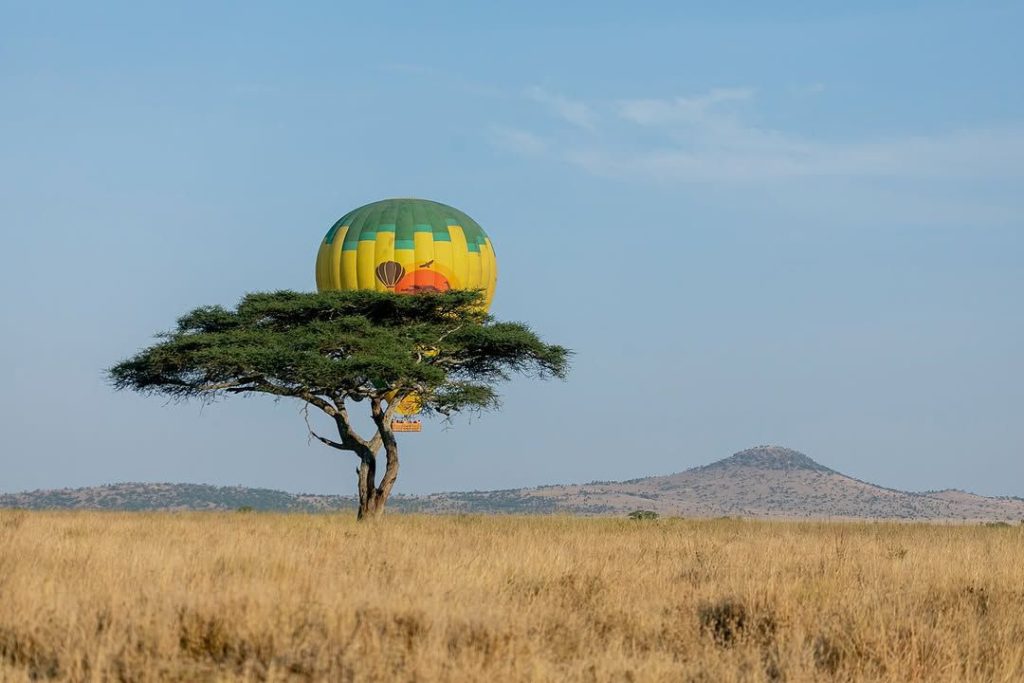
Floating Above the Greatest Wildlife Show on Earth
Imagine this: It’s 5 a.m., still dark, and you’re bundled in a jacket sipping hot coffee while the stars are fading. A massive hot air balloon lies on its side in the grass, slowly puffing up as the burner roars. The Serengeti stretches out flat and endless around you. Then, gently, almost without noticing, the basket lifts off. No engine noise, no bumpy road just silence and the soft whoosh of flame every now and then. Below, the plains wake up. A herd of elephants ambles toward a watering hole. Lions stretch in the first light. Wildebeest dot the horizon like moving shadows. You’re floating right over it all.
What Exactly Is a Balloon Safari in the Serengeti?
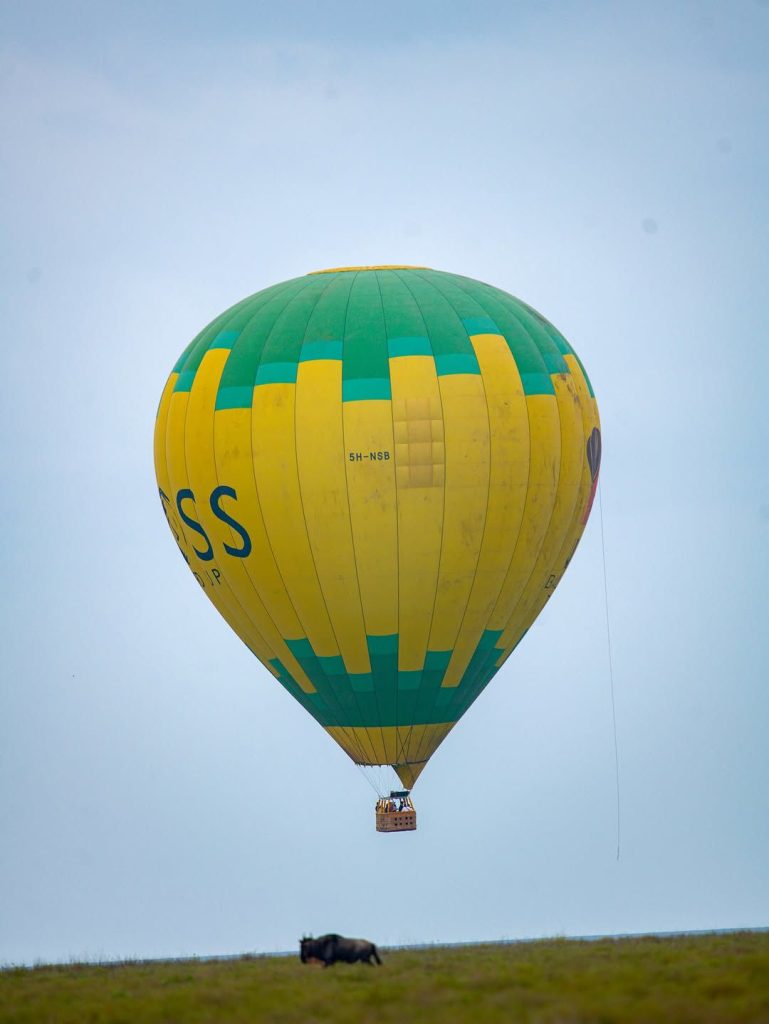
It’s a hot air balloon ride over Serengeti National Park in Tanzania. You drift for about an hour at sunrise, getting a bird’s-eye view of the wildlife and landscape that you can’t get from a jeep. The pilots are pros they adjust height to skim treetops one minute, then climb higher for sweeping panoramas the next.
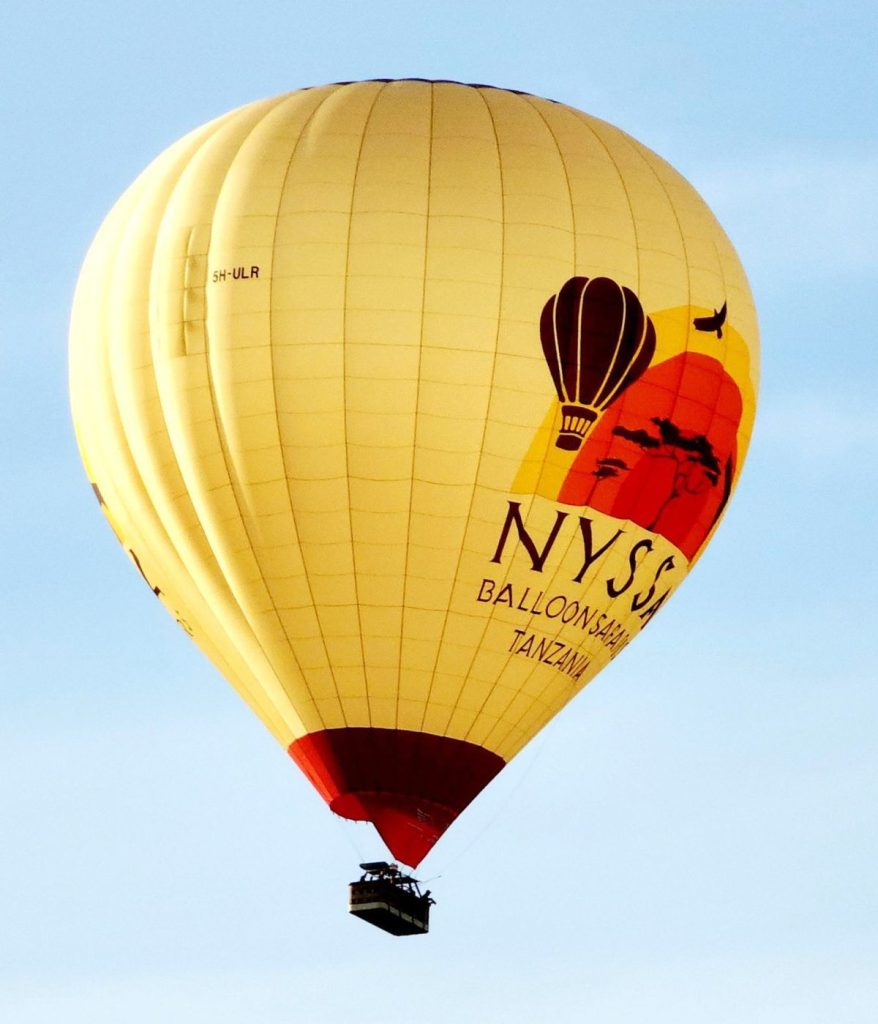
Most operators like Nyssa balloon safari launch from spots depending on the season
- Central (Seronera area) — year-round
- Southern (Ndutu) — December to March
- Western Corridor — June to October
- Northern Serengeti — July to October
They try to match the launch site to where the animals are thickest that time of year. Weather has the final say though if it’s too windy or rainy, they cancel or reschedule. Safety first.
How Much Does a Serengeti Balloon Safari Cost in 2026?
Right now, expect to pay around US$599 per person for the full experience, if you go through a partnership local tour company there is less to pay that that. That usually covers
- Pickup from your lodge/camp (super early!)
- The ~1-hour flight
- Champagne (or sparkling wine) toast on landing
- A proper bush breakfast in the middle of nowhere think eggs, sausages, fresh fruit, pancakes, all set up with tables and chairs under an acacia tree
Best Time to Book Your Hot Air Balloon Serengeti Adventure
The Serengeti has two main seasons that affect ballooning.
Dry season (June–October) This is peak time for a reason. Clear skies, calm mornings, and the Great Migration in full drama mode. July–September is epic if you’re in the north watching wildebeest cross the Mara River from above is unreal. Fewer weather cancellations too.
Green season (December–March) Fewer crowds, lush green plains, and baby animals everywhere (wildebeest calving in the south). It’s quieter in the balloon basket, and the landscape feels softer and more intimate. Weather can be iffy with short rains, but many say it’s their favorite for that peaceful vibe.
Year-round flights happen, but book early spots fill up fast, especially in peak months. Aim to schedule it early or mid-trip so if weather cancels it, you can try again later.
What a Typical Day Looks Like
- 4:30–5:00 a.m.: Pickup from your lodge (they bring coffee—thank goodness).
- Drive to launch site (30–60 mins).
- Watch the balloon inflate as the sky turns pink.
- Lift off at sunrise.
- Drift for 45–70 minutes, spotting whatever’s below giraffes look tiny, hippos in rivers like logs with eyes.
- Gentle landing (they warn you it can be a bump).
- Champagne pop, photos, then breakfast.
- Back to camp by late morning, usually with a short game drive on the way.
Is It Worth It? Real Talk
Look, almost $500 is a lot for an hour in the air. But ask anyone who’s done it: almost everyone says yes. It’s peaceful, magical, and gives you a perspective no ground safari can match. You see how vast the Serengeti really is plains that go forever, animals moving like rivers across them.
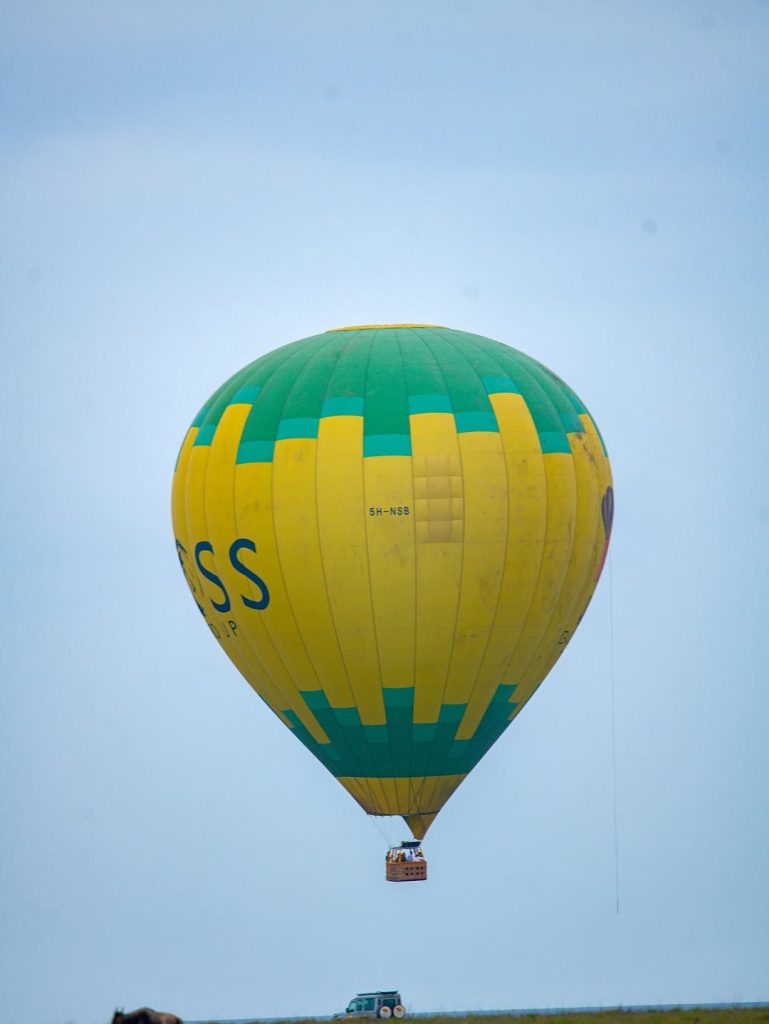
If your budget allows, do it. If you’re on the fence, prioritize it over something else. It’s a memory that sticks.
Planning your trip? Pair it with a few days in the Serengeti for game drives, then maybe Ngorongoro or Zanzibar after. We have the best rates ,and also work with the best provider for this activity the nyssa balloon