(\”
Overview
\\n
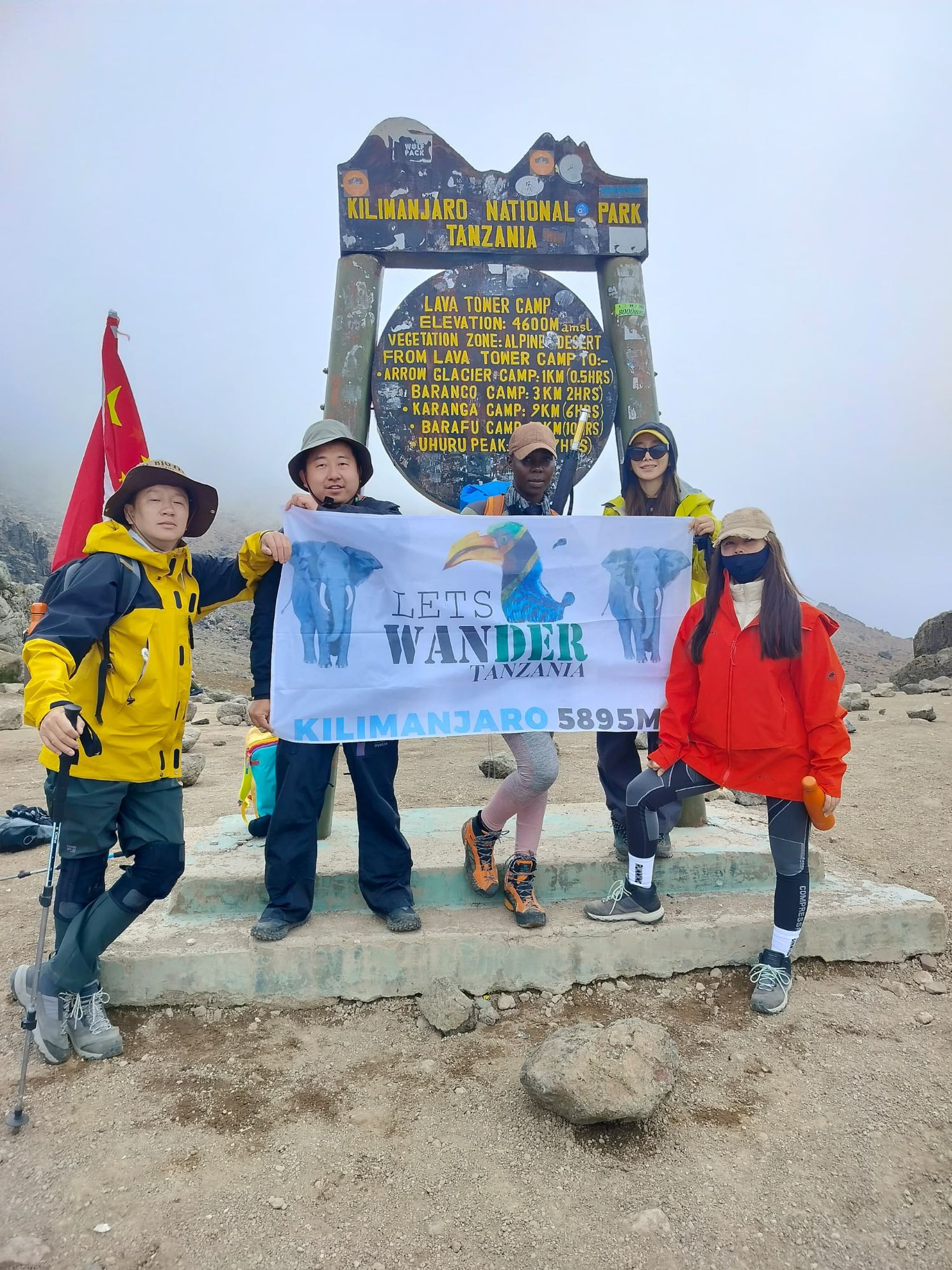
Kilimanjaro National Park protects the upper slopes of Mount Kilimanjaro, a dormant volcano and the highest point on the African continent at 5,895m. Unlike most of the world\’s tallest peaks, Kilimanjaro can be climbed without ropes, technical equipment, or mountaineering experience via any of its established trekking routes — though reaching the summit is a genuine physical and mental challenge, not a casual walk.
\\n
The mountain\’s dramatic appeal lies partly in its climate zones: trekkers pass through cultivated farmland, dense rainforest, moorland, alpine desert, and finally arctic conditions at the summit, often within the span of five to nine days.
\\n\”, \’
Wildlife
\\n
- \\n
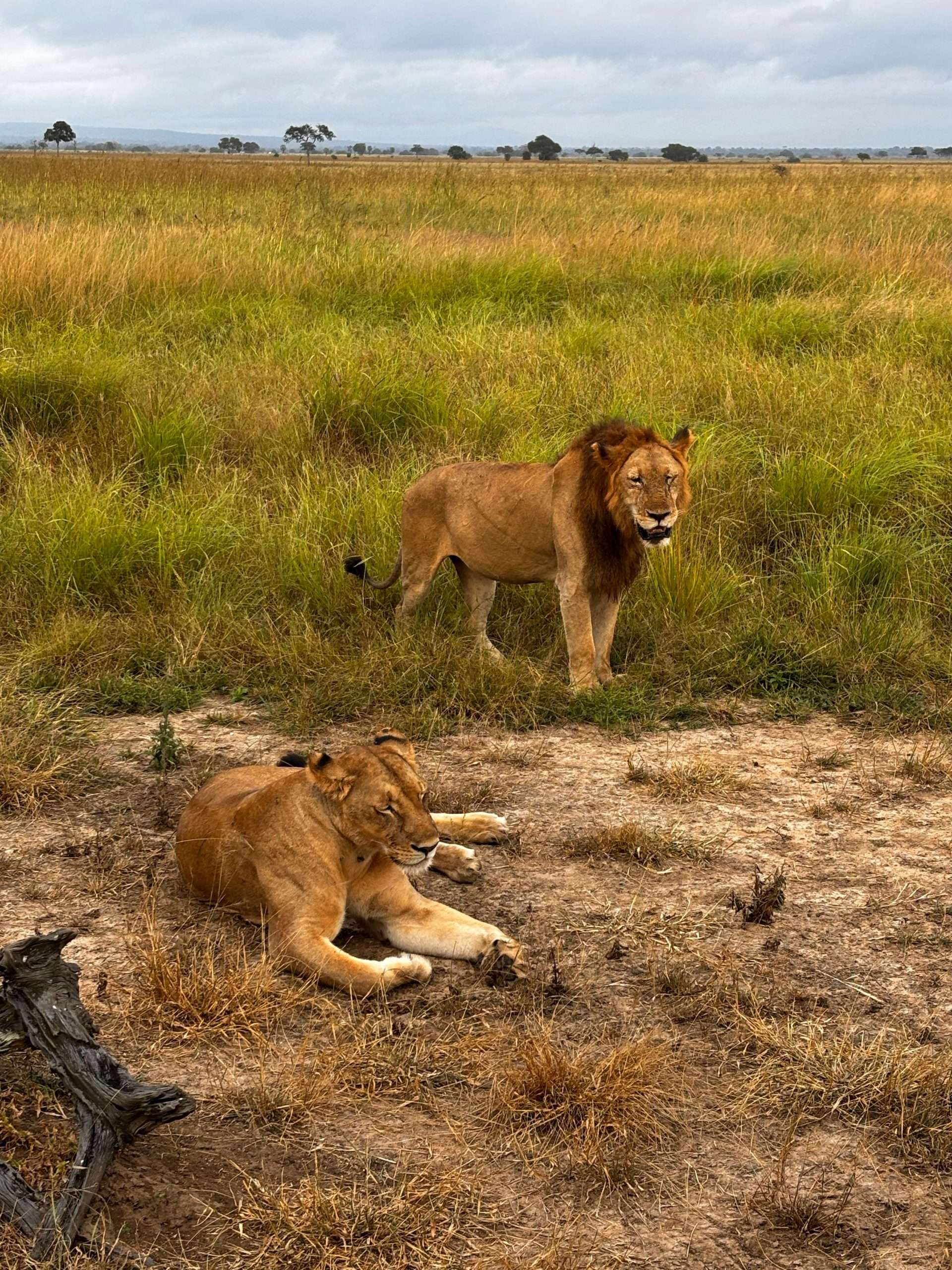
- Blue monkey, colobus monkey, and bushbuck in the lower rainforest zone
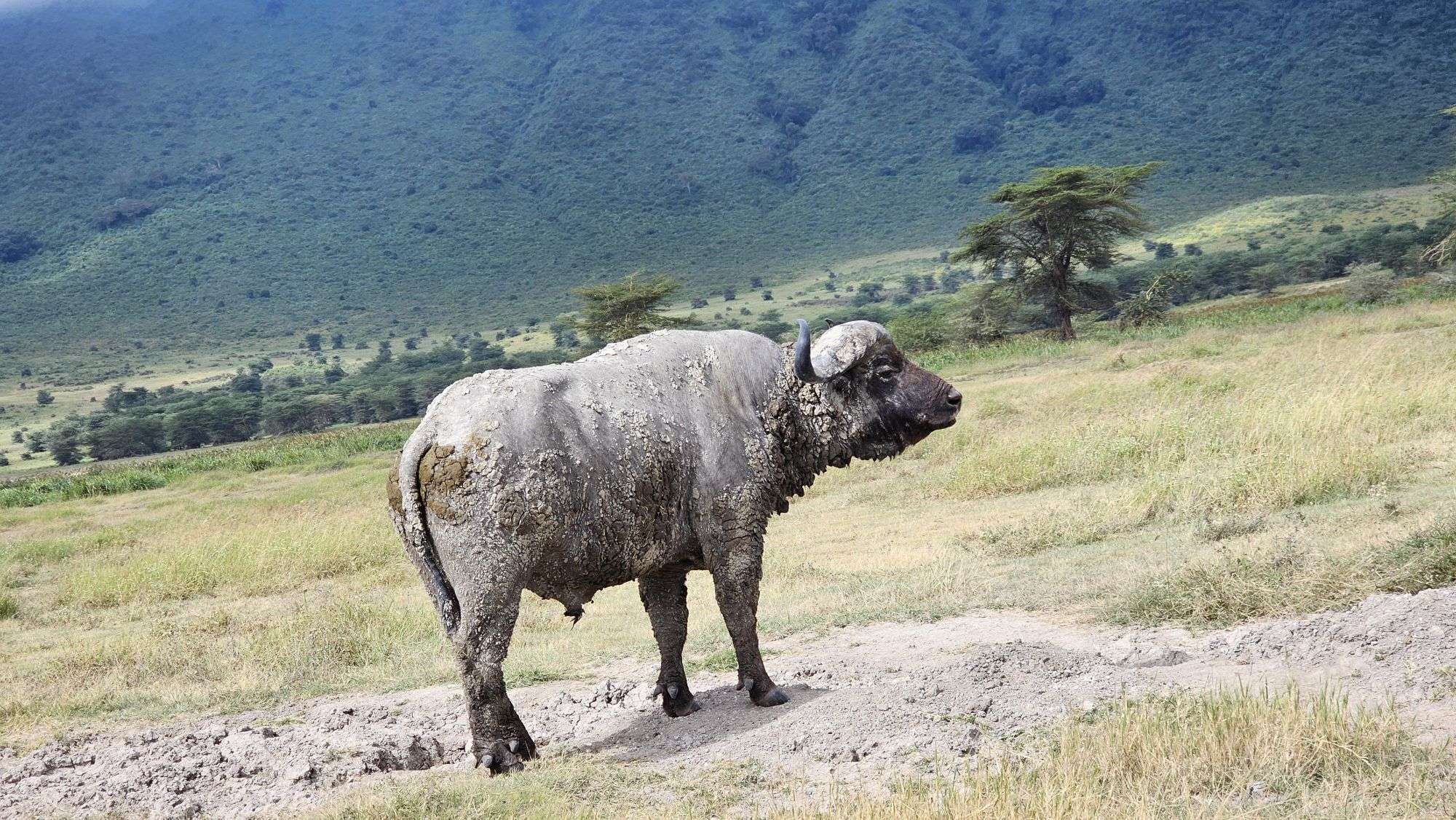
- Elephant and buffalo occasionally pass through the forest zone (rarely encountered by trekkers)
- A range of montane and moorland bird species, including the Kilimanjaro white-eye
- Wildlife thins dramatically above the moorland zone — the upper mountain is defined by geology and glaciers rather than game
\\n
\\n
\\n
\\n
\\n\’, \’
Best Time to Visit
\\n
January–March and June–October are the primary climbing seasons, offering the clearest skies and driest trails. The long rains (April–May) and short rains (November) make for a wetter, more technical climb and are generally avoided.
\\n\’, \”
Activities
\\n
- \\n
- Multi-day summit treks via Machame, Marangu, Lemosho, Rongai, Umbwe, or the Northern Circuit route — see our dedicated route pages for full details
- Day hikes on the lower slopes for those not attempting the summit
- Cultural visits to Chagga villages on the mountain\’s southern foothills
\\n
\\n
\\n
\\n\”, \”
Park Fees
\\n
Kilimanjaro National Park charges a combination of entry, camping/hut, rescue, and guide/porter fees, all built into the price of our climb packages — see each route page for a full breakdown of what\’s included.
\\n\”, \’
Climate
\\n
Genuinely varies by altitude and route: warm and humid in the rainforest zone, cool and often misty in the moorland zone, cold and dry in the alpine desert, and well below freezing at the summit, particularly overnight.
\\n\’, \”
How to Get There
\\n
Kilimanjaro International Airport (JRO) sits close to the mountain\’s base and is the natural arrival point for a climb, with most trekkers overnighting in Moshi or Arusha the night before starting.
\\n\”)