(\”
Overview
\\n
The Ngorongoro Crater is the collapsed cone of a volcano that erupted and imploded roughly 2–3 million years ago, leaving behind a caldera 610 meters deep and about 260 square kilometers across. Its steep walls trap a self-contained ecosystem of grassland, swamp, forest, and a soda lake, home to an estimated 25,000 large animals at any given time — one of the highest densities of wildlife anywhere in Africa.
\\n
Because the crater floor is relatively compact and animals rarely leave it, game drives here are famously productive; it\’s one of the most reliable places in Tanzania to see the Big Five, including a small population of black rhino, in a single day.
\\n\”, \”
Wildlife
\\n
- \\n
- Black rhino — one of the few reliable places in East Africa to see them
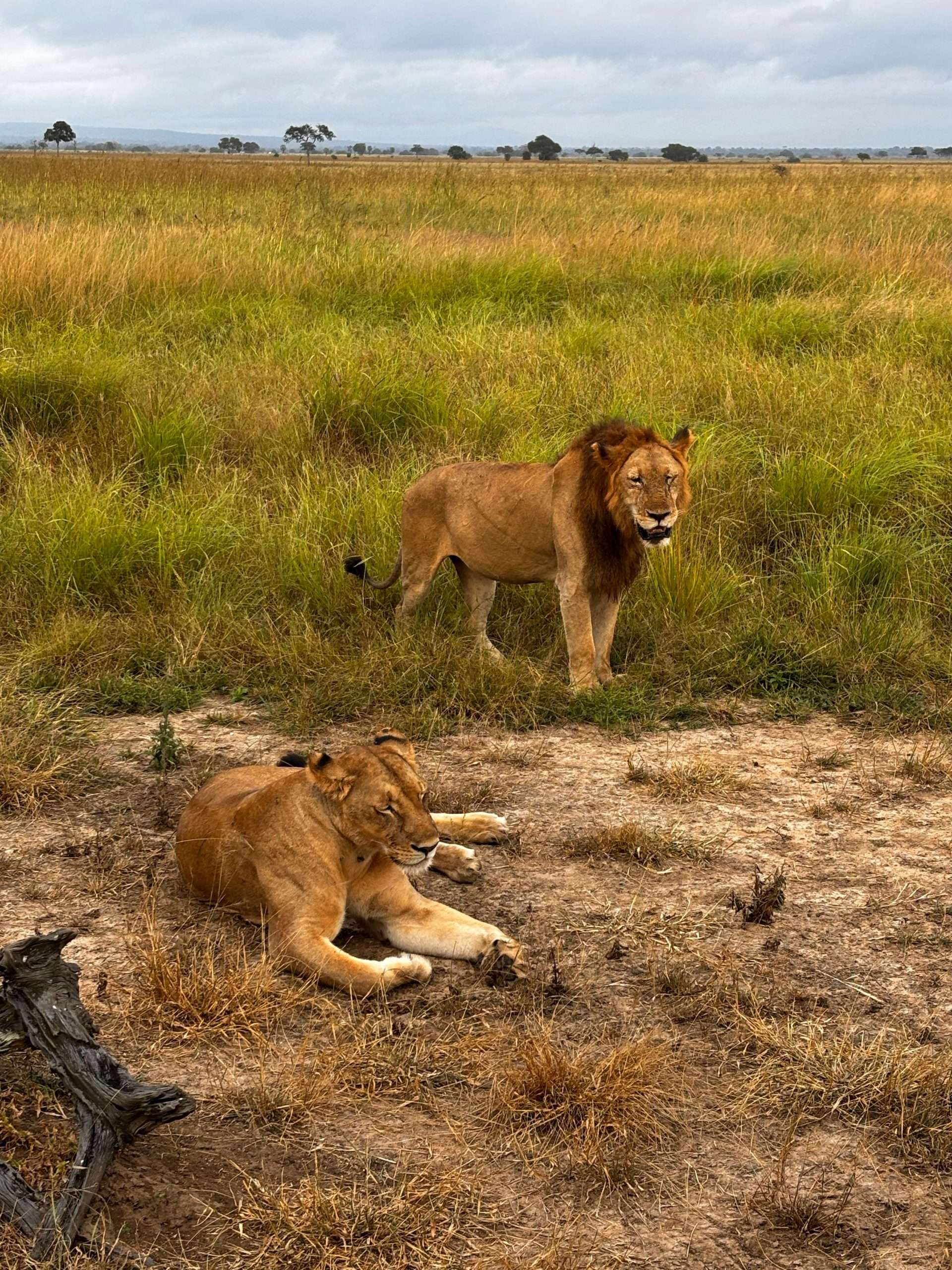
- Dense lion population, plus spotted hyena, jackal, and (less commonly) leopard
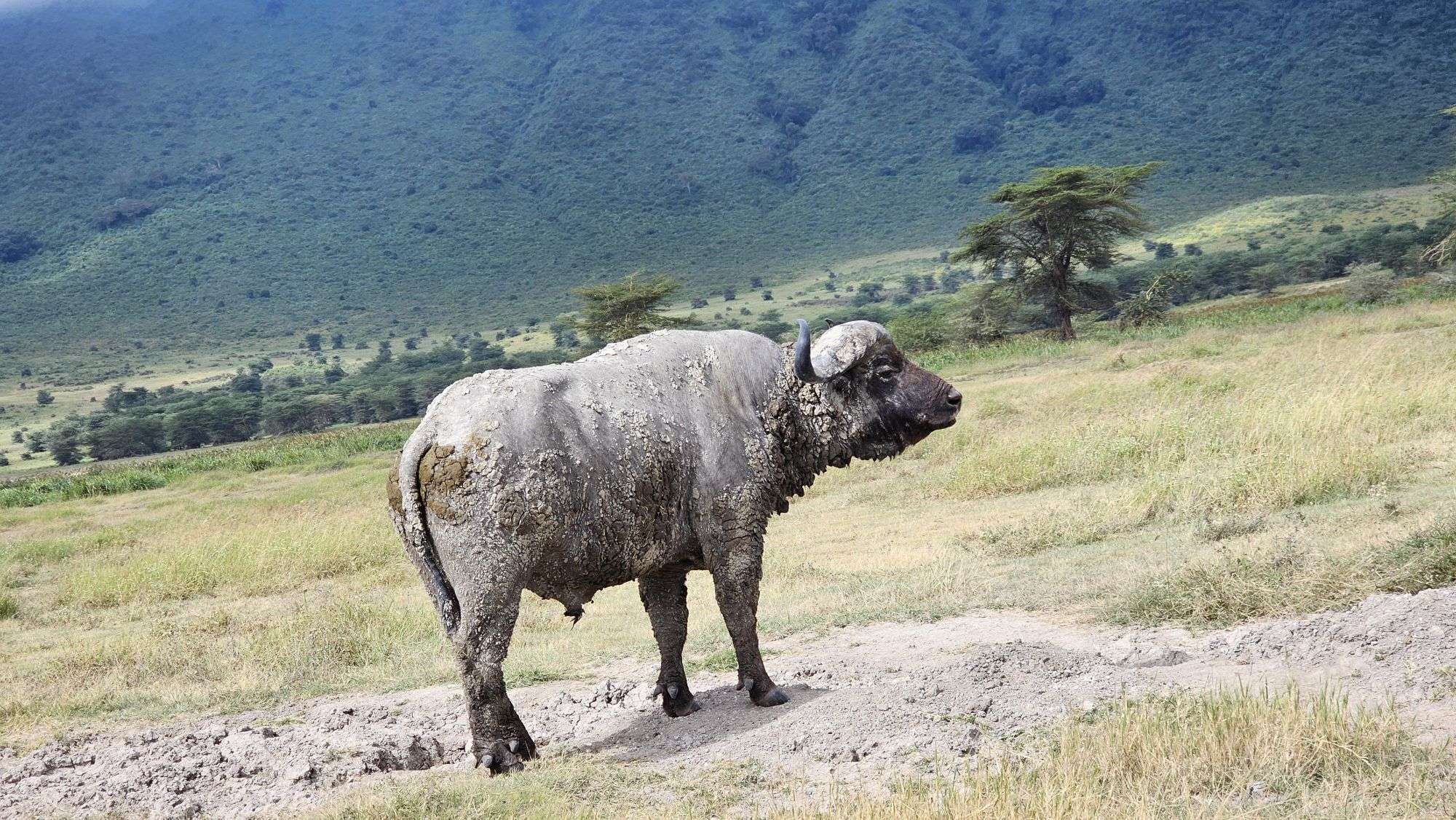
- Large herds of wildebeest, zebra, buffalo, and Grant\’s and Thomson\’s gazelle
- Flamingos and other waterbirds on Lake Magadi, the crater\’s soda lake
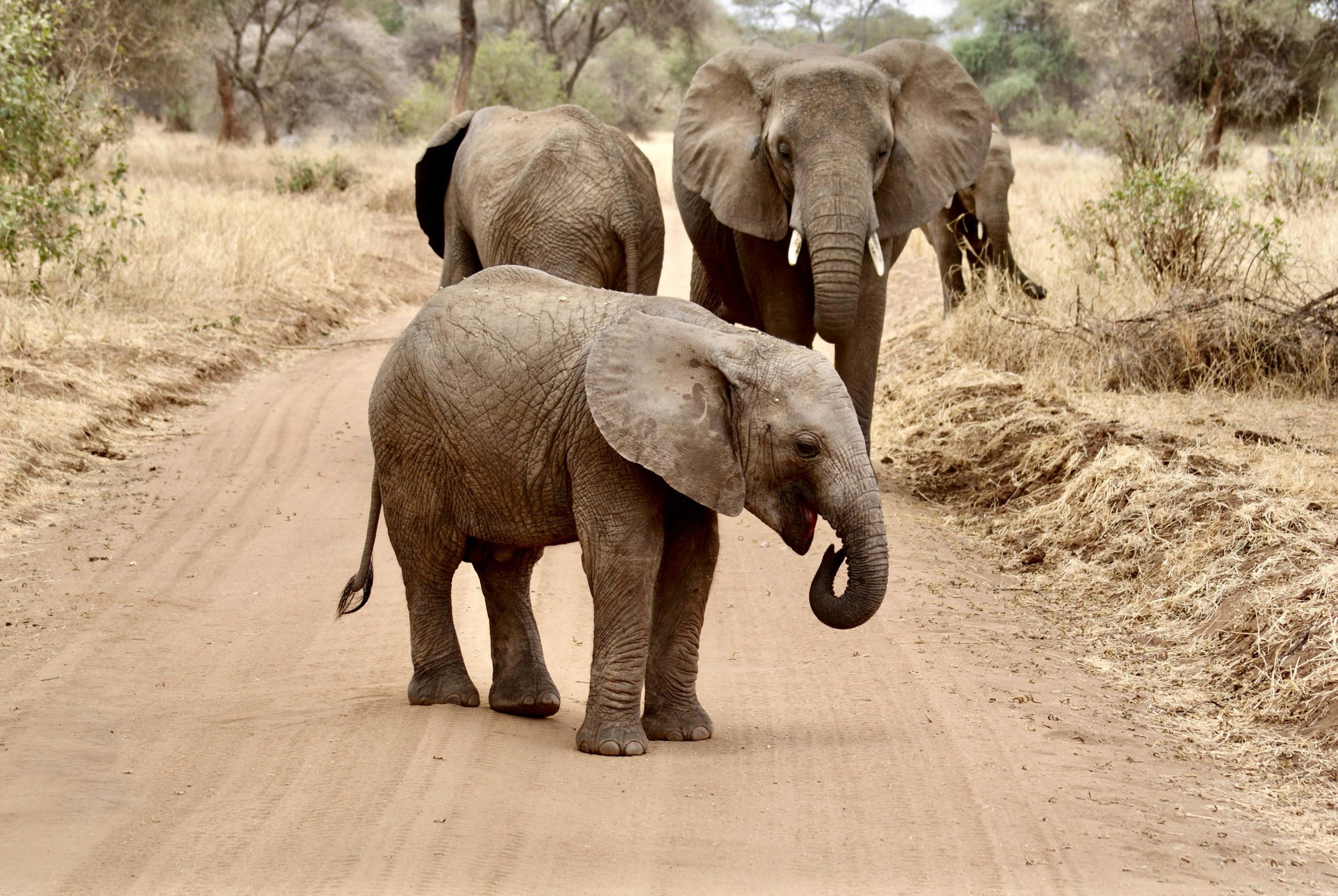
- Elephant (mostly older bulls) around the Lerai Forest
\\n
\\n
\\n
\\n
\\n
\\n\”, \”
Best Time to Visit
\\n
The crater\’s wildlife is resident year-round, so it\’s a good choice whatever your travel dates. The dry season (June–October) offers the clearest roads and skies; the wetter months (November–May) bring lush scenery, dramatic light, and fewer vehicles at popular sightings.
\\n\”, \’
Activities
\\n
- \\n
- Full-day game drive on the crater floor (the classic Ngorongoro experience)
- Nature walks and cultural visits along the crater rim
- Visits to Maasai communities living within the wider Conservation Area
- Olduvai Gorge excursion — one of the most important paleoanthropological sites in the world, a short detour from the crater
\\n
\\n
\\n
\\n
\\n\’, \’
Park Fees
\\n
The Ngorongoro Conservation Area charges separate entry and crater service fees, set annually by the Ngorongoro Conservation Area Authority (NCAA). As with all our itineraries, current fees are built into your quoted price.
\\n\’, \’
Climate
\\n
The crater rim sits at around 2,200m and can be notably cool, especially at night and in the early morning — pack a warm layer even in the dry season. The crater floor itself, roughly 600m lower, is milder.
\\n\’, \’
How to Get There
\\n
Ngorongoro is roughly a 2–3 hour drive from Arusha or Lake Manyara, and is typically visited as part of a Northern Circuit itinerary alongside Tarangire and the Serengeti. Most lodges sit along the crater rim, with descent onto the floor each morning by 4×4.
\\n\’)