(\”
Overview
\\n
Tarangire National Park takes its name from the Tarangire River, which cuts through the park and becomes the region\’s most vital water source during the dry season, drawing enormous concentrations of wildlife to its banks. Dotted with iconic baobab trees — some estimated to be over a thousand years old — and rolling golden grassland, Tarangire has a distinctive, dramatic beauty and noticeably fewer vehicles than the Serengeti or Ngorongoro.
\\n
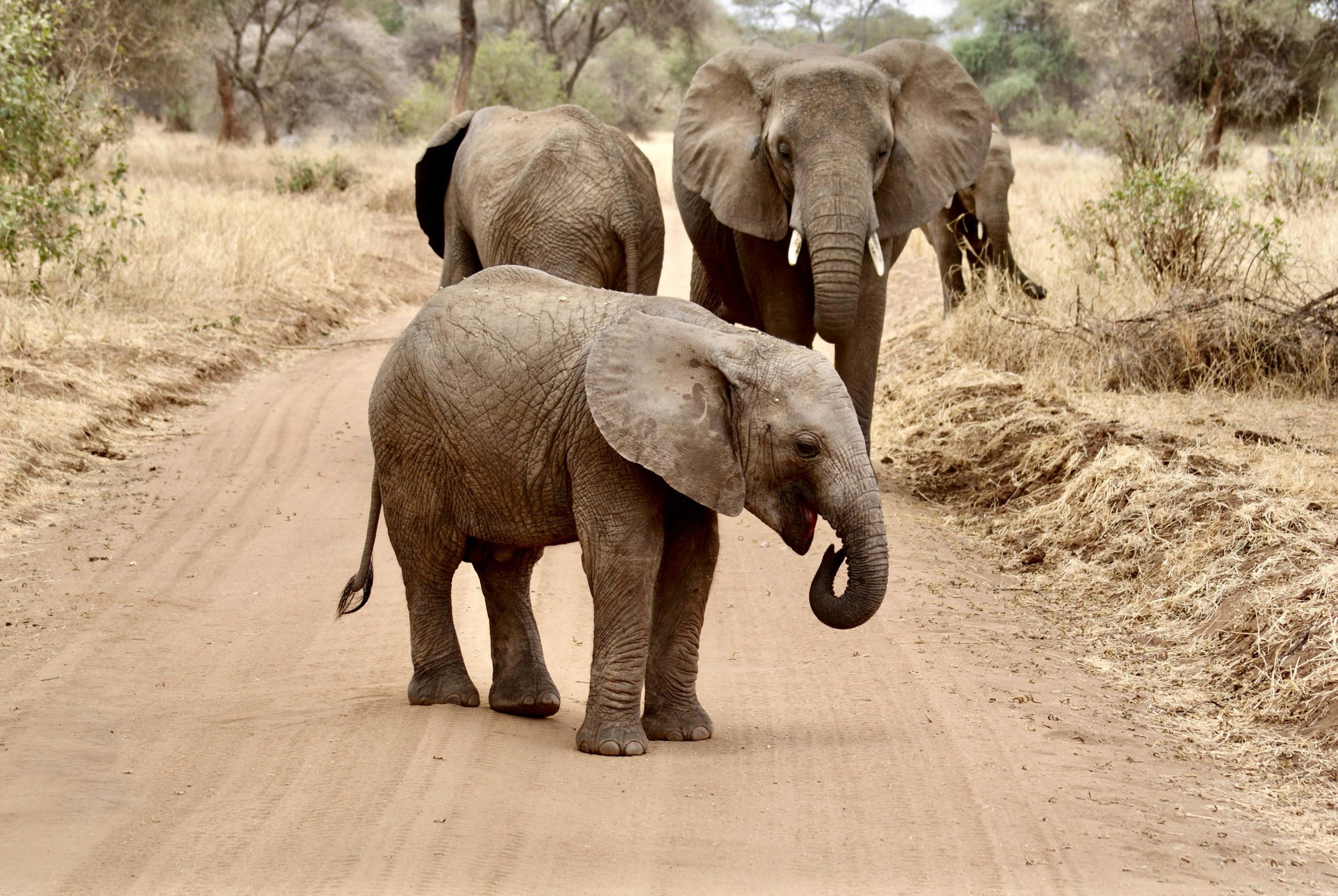
It\’s best known for elephants: herds of several hundred are regularly seen here, among the largest concentrations anywhere in East Africa, especially in the dry season.
\\n\”, \’
Wildlife
\\n
- \\n
- Large elephant herds — a signature Tarangire experience
- Lion, leopard, and occasionally cheetah
- Fringe-eared oryx and gerenuk, both uncommon elsewhere in northern Tanzania
- Over 550 recorded bird species, making it a favorite for birders
- Large herds of buffalo, zebra, wildebeest, and giraffe, especially June–October
\\n
\\n
\\n
\\n
\\n
\\n\’, \”
Best Time to Visit
\\n
June to October is the classic time to visit, when the dry season concentrates wildlife along the Tarangire River in spectacular numbers. In the wetter months, animals disperse across a wider area, but the park remains scenic and far quieter than the northern circuit\’s more famous parks.
\\n\”, \’
Activities
\\n
- \\n
- Game drives focused on the river system and swamp areas
- Guided walking safaris with an armed ranger
- Night game drives (permitted in parts of Tarangire, unlike most Tanzanian parks)
- Cultural visits to nearby Maasai bomas
\\n
\\n
\\n
\\n
\\n\’, \”
Park Fees
\\n
TANAPA entry fees apply per person, per 24-hour period, and are included in full within any Let\’s Wander Tanzania quote featuring Tarangire.
\\n\”, \’
Climate
\\n
Warm and dry for much of the year, with the landscape turning golden-brown in the dry season and green after the rains (November and March–May).
\\n\’, \’
How to Get There
\\n
Tarangire is roughly a 1.5–2 hour drive from Arusha, making it a natural first (or last) stop on a Northern Circuit safari, or an easy standalone day trip.
\\n\’)