(\’
Overview
\\n
The Serengeti is Tanzania\\\’s most famous national park and arguably the most iconic wildlife destination on Earth. Its name comes from the Maasai word \”siringet,\” meaning \”endless plains\” — an apt description for a landscape of over 14,750 square kilometers of grassland, savanna, and woodland that stretches to the horizon in every direction.
\\n
The park is best known as the stage for the Great Migration, where over 1.5 million wildebeest and hundreds of thousands of zebra move in a continuous, weather-driven circuit across the Serengeti-Mara ecosystem. But the Serengeti delivers exceptional game viewing year-round, migration or not, with one of the densest populations of lion, leopard, cheetah, and hyena anywhere in Africa.
\\n\’, \”
Wildlife
\\n
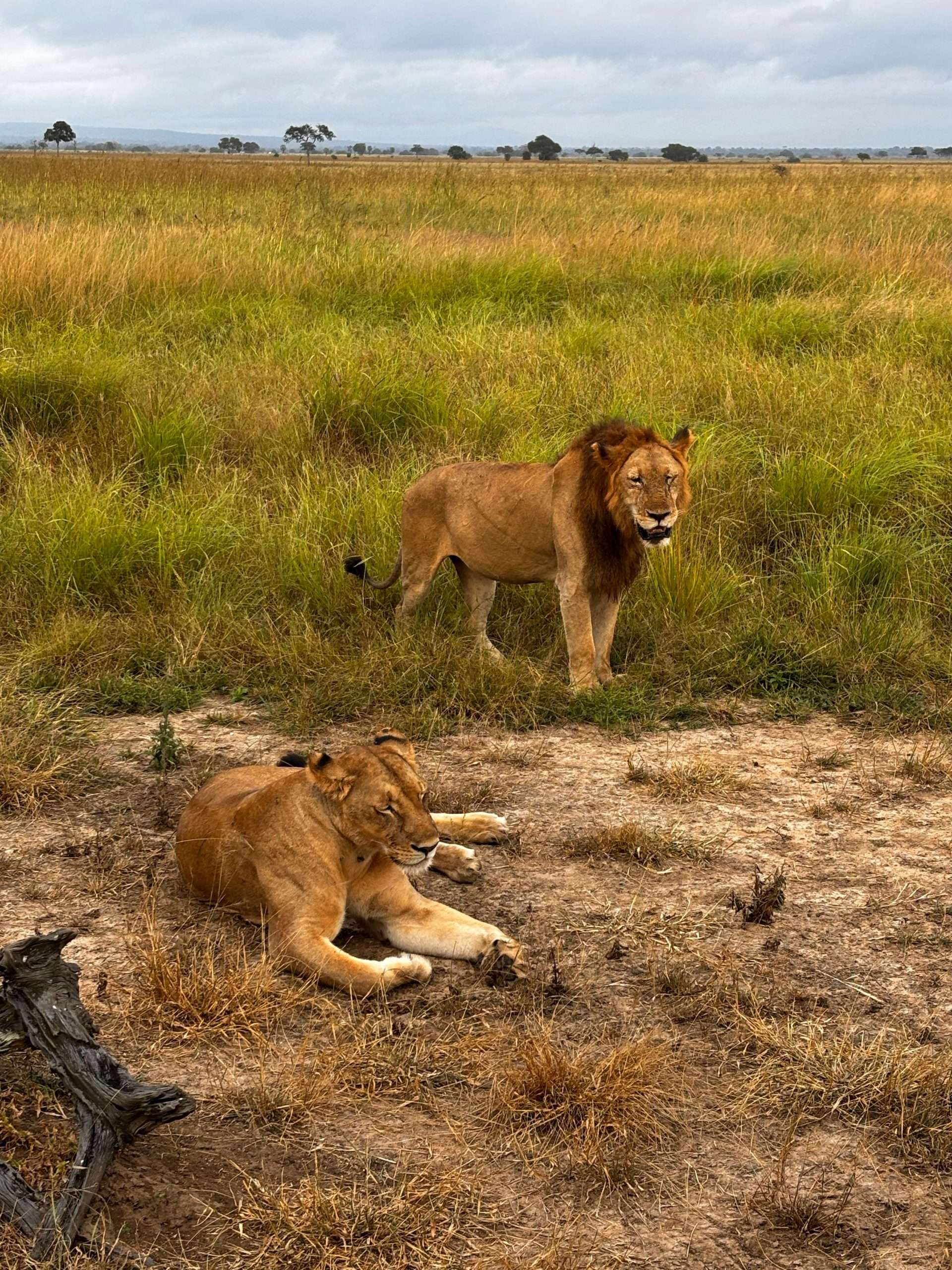
All of the Big Five are present (though rhino sightings are rare and restricted to a small, closely protected population). The Serengeti is particularly renowned for its big cats — this is one of the best places in Africa to see cheetah hunting on the open plains, and the park\’s lion prides are among the most studied and photographed in the world.
- \\n
- Wildebeest, zebra, and gazelle in vast numbers, especially during migration months
- Lion, leopard, and cheetah, with excellent sightings year-round
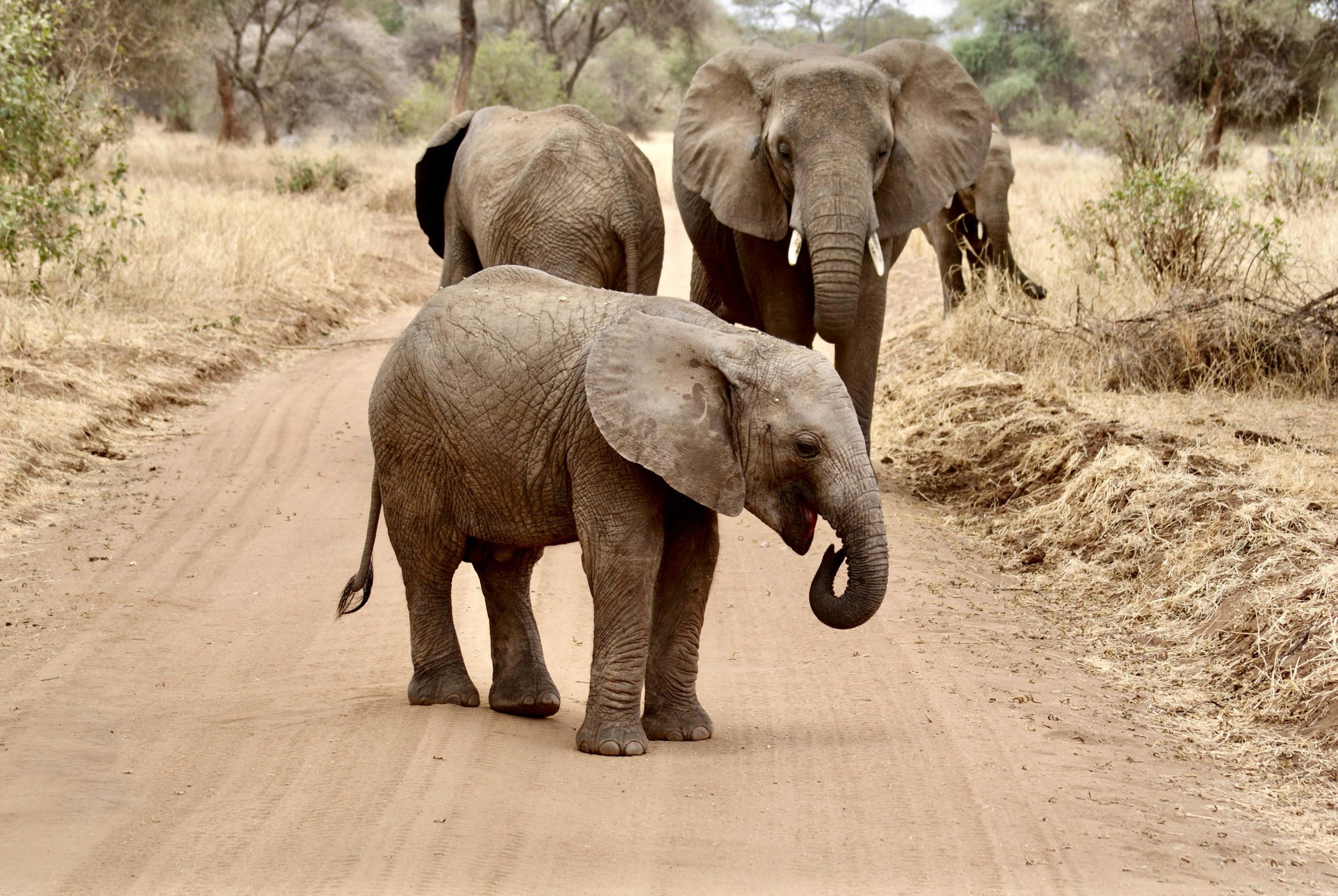
- Elephant, giraffe, hippo, crocodile, and over 500 recorded bird species
- Serval, bat-eared fox, and other smaller predators for keen wildlife spotters
\\n
\\n
\\n
\\n
\\n\”, \’
Best Time to Visit
\\n
The Serengeti rewards visitors year-round, but timing shapes the experience:
- \\n
- June – October (dry season): reliable game viewing, migration herds typically in the Western Corridor and northern Serengeti/Mara, dramatic river crossings from around July
- December – March: migration herds move onto the southern short-grass plains (Ndutu area) for calving season — extraordinary predator action as newborn calves attract lion, cheetah, and hyena
- April – May (long rains): quieter, lush green scenery, lower rates, but some roads can be challenging
\\n
\\n
\\n
\\n\’, \’
Activities
\\n
- \\n
- Game drives (morning, afternoon, and full-day)
- Hot air balloon safaris over the plains at sunrise
- Guided walking safaris in permitted areas with an armed ranger
- Cultural visits to nearby Maasai communities
- Photography-focused private safaris with extended time at sightings
\\n
\\n
\\n
\\n
\\n
\\n\’, \’
Park Fees
\\n
Tanzania National Parks (TANAPA) sets Serengeti entry fees annually per person, per 24-hour period, with separate rates for concession/conservation areas if your route includes them. Fees change from time to time, so rather than quote a figure that may be out of date, we build current park fees directly into every quote we send you — there are no hidden surprises.
\\n\’, \’
Climate
\\n
Warm days (around 25–28°C) and cool nights year-round, given the elevation of the central plains (around 1,500m). The long rains fall March–May and the short rains typically in November; June–October is largely dry.
\\n\’, \”
How to Get There
\\n
Most visitors fly into Kilimanjaro International Airport (JRO) or Arusha, then either drive (roughly 6–8 hours from Arusha, often broken up by stops in Tarangire and/or Ngorongoro) or take a scheduled light-aircraft flight direct to one of the Serengeti\’s airstrips — a spectacular way to arrive with sweeping views of the plains below. We arrange both options depending on your itinerary and time available.
\\n\”)